Is Dill Easy to Grow From Seed
Sow
Dill can be sown from mid-spring to mid-summer. It dislikes having its roots disturbed or being transplanted, so sow it where it is to grow, either in large pots or in the ground.
Choose a warm, sunny site with fertile soil. Sow the seeds thinly in 1cm (½in) deep drills and cover lightly with soil. Thin out the seedlings when large enough to handle, to 15cm (6in) apart.
You can also sow in large pots filled with multi-purpose compost, including peat-free. Dwarf varieties are ideal for containers. Thin out the seedlings when large enough to handle, to 10cm (4in) apart.
Grow
Water dill regularly, so the soil or compost doesn't dry out, especially in hot, dry summers. But don't let the soil become waterlogged.
Hoe around young plants to prevent weeds competing with or smothering them.
You may need to support tall plants with canes or twiggy sticks, so they don't get blown over.
Avoid growing dill near fennel, as the two can cross-breed, resulting in seedlings with a poor flavour.
Harvesting
Cut the leaves as required during spring and summer. Picking young leaves regularly will help to keep plants productive and delay flowering.
The leaves can be used fresh, or can be either frozen or dried for later use.
To dry dill leaves, hang up sprigs in a dark, well-ventilated place for a few weeks. When fully dried, strip the leaves from the stems and store in an air-tight jar.
The tiny yellow flowers are edible and can be sprinkled in salads.
The seeds can be gathered in late summer when they start to ripen and turn brown – cut whole stems and put the seedhead in a paper bag, then hang the stems upside down until the seeds dry and drop. Remove any bits of stem, then store the seeds in an air-tight container. The seeds can be used ground or whole.
Recommended Varieties
Domino AGM
Anethum graveolens 'Domino'
An excellent commercial and domestic variety, A bushy variety with a dense branching habit giving very full foliage. Height 70 cm. It has a very aromatic blue-green leaf and is slow to bolt.
Dukat
Anethum graveolens 'Dukat'
The variety that is recognised as the market standard with vigorous leaf production. A blue-green leaf with a strong flavour, this dill can grow to 80 cm., so goes well in mixed borders.
Dwarf
Anethum graveolens 'Nano'
A newer introduction. This truly dwarf Dill naturally only reaches some 30cm, but is leafy and productive. 'Nano' is widely available and suitable for pots, mixed containers and even windowsills.
Fernleaf
Anethum graveolens 'Fernleaf'
A reputation for having a long leaf-harvesting season and being a late-flowering variety. It is compact with a height of 30-45 cm, well flavoured with mid-green foliage.
Mammoth
Anethum graveolens 'Mammoth'
Potentially the largest cultivar of the dill family growing up to 1.8m tall. A more open airy form with large citrus-yellow flower umbels 15 cm. across. The foliage is well flavoured and the seed heads are particularly good, in for example pickling, but the form is decorative and striking.
Common problems
Aphids
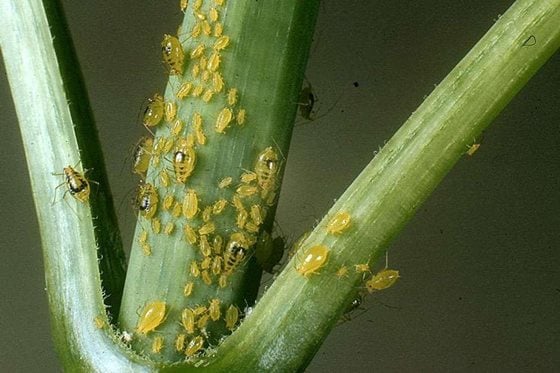
Look for colonies of greenfly on the soft shoot tips of plants or on leaves. They suck sap and excrete sticky honeydew, encouraging the growth of black sooty moulds.
Remedy
Use your finger and thumb to squash aphid colonies or use biological control in the greenhouse.
Slugs and snails
.jpg?width=320&height=176&ext=.jpg)
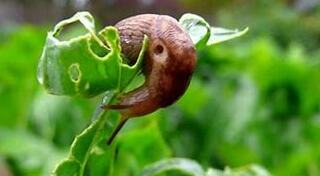
These feed on the young seedlings and you'll see the tell tale slime trail on the soil around your crop, as well as on the leaves.
Remedy
There are many ways to control slugs and snails, including beer traps, sawdust or eggshell barriers, copper tape and biocontrols.
Bolting
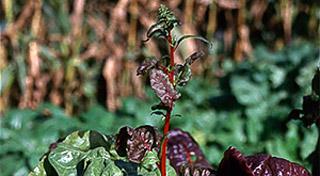
Plants flower and set seed prematurely.
Remedy
Unless growing for seed sow bolt-resistant varieties. Sow or plant at the correct time and keep the soil or compost moist.
Source: https://www.rhs.org.uk/herbs/dill/grow-your-own
0 Response to "Is Dill Easy to Grow From Seed"
Post a Comment